
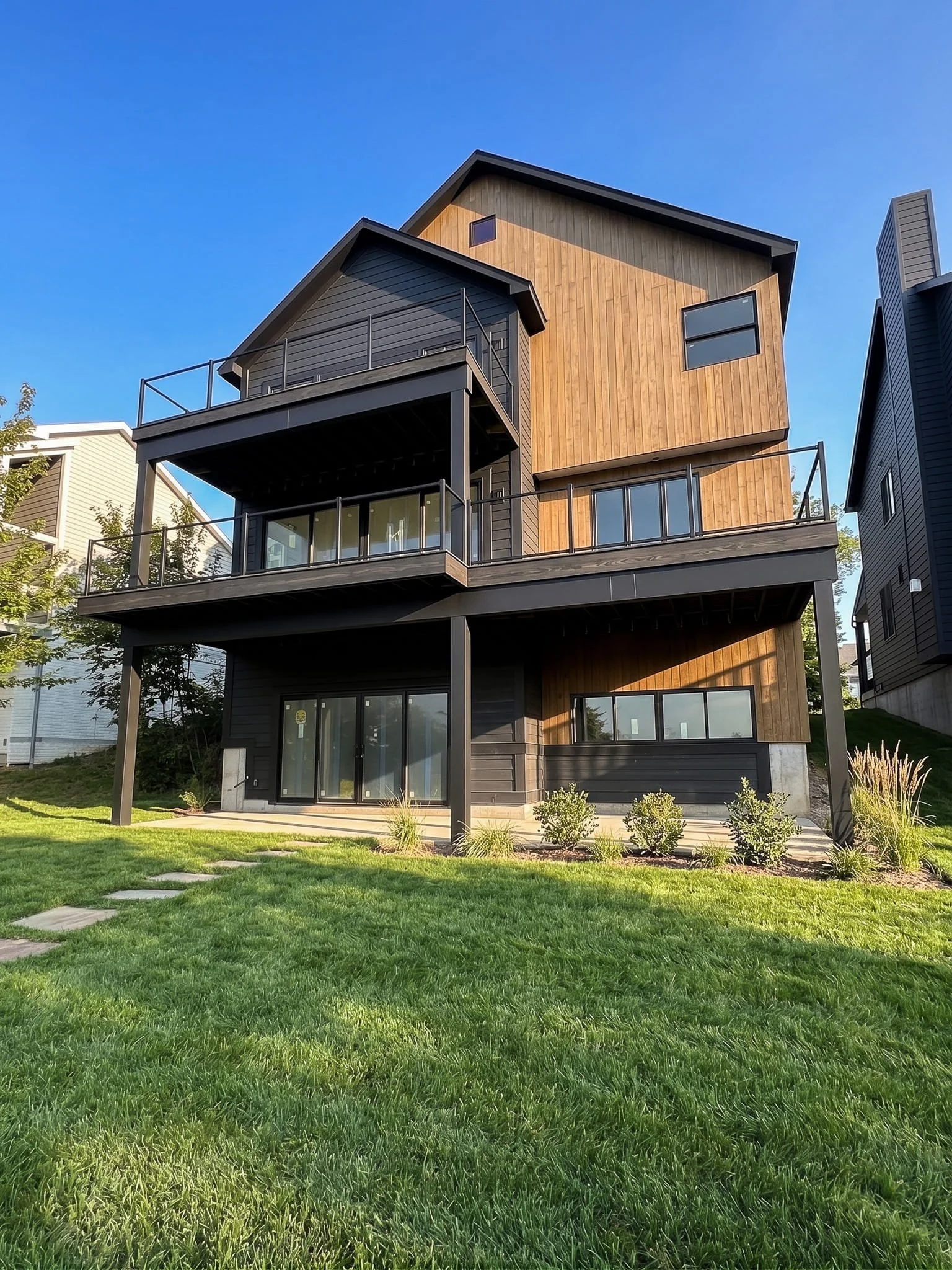
Best Siding for Your House: A Complete Guide
There are so many amazing siding choices to clad your home in right now — it's honestly an exciting time to be a homeowner! From the latest manufacturer innovations like insulated vinyl, James Hardie fiber cement, and steel, to the tried and true beauty of real wood, you are absolutely bound to find something that speaks to you. Whatever direction you choose, new siding has a way of transforming a house and bringing fresh life and energy to it that you just have to see to believe. Let's dig in!
Understanding the Costs
Choosing the right siding isn't always about finding the cheapest option — it's about making the smartest decision for your specific home. A modest ranch home and a high-end custom build have very different needs. Sometimes the best choice is a budget-friendly material that does exactly what the house requires. Other times, investing in a premium product makes far more sense because the home demands it and ROI is there. The goal is to match the siding to the house — because when you do that right, the value takes care of itself. And here's the exciting part — thanks to modern manufacturing and material science, even the most budget-friendly siding options today can look absolutely stunning. You no longer have to spend a fortune to get a result that turns heads.
That's where ROI — Return on Investment — comes in. Simply put, the right siding for your home isn't always the least expensive one, it's the one that gives you the greatest return. Match the material to the house, and the ROI takes care of itself.
Vinyl Siding — The Budget-Friendly Workhorse
Vinyl siding is the most popular siding choice in the U.S., and for good reason — it's affordable, low-maintenance, and available in dozens of styles and colors. Of all the siding options available, vinyl tends to be the most budget-friendly option on this list.
For homeowners who want energy savings and our willing to step up financially, insulated vinyl siding can be a good option. It features a layer of rigid foam insulation bonded directly to the panel, which significantly reduces thermal bridging — the process by which heat escapes through the wall studs. The result is lower energy bills and a warmer, less drafty home. Look for insulated vinyl with an R-value of R-3 to R-5 for meaningful efficiency gains.
On the durability side, vinyl holds up well in most climates but can crack in extreme cold or warp in intense heat. Most quality brands offer lifetime warranties, and the lifespan typically runs 20–40 years with minimal upkeep.
FYI - The insulated versions can raise your siding cost, putting you in the fiber cement range. We found that we can actually install ¾ inch insulation with James Hardie siding, and the cost is very similar to insulated vinyl. The major unique advantage of insulated vinyl has to do with sound. It can reduce outdoor noise more than the Hardie with insulation.
Fiber Cement Siding — The High-Performance Choice
This takes us to the siding that checks a lot of boxes — durability, aesthetics, and ROI — fiber cement siding is hard to beat. Brands like James Hardie have made composite siding a household name, and for good reason.
Fiber cement is rot-resistant, termite-resistant, fire-resistant, and acts as an excellent moisture barrier — making it ideal for Michigan's freeze-thaw climate. It resists warping and cracking even under severe weather stress. James Hardie backs their product with a 30-year warranty, and the material boasts a 50-year lifespan with proper maintenance.
Fiber Cement only has a few downsides. The cost can be a little higher, the installation needs to be done properly, and the product needs to be maintained. If fiber cement is not painted the freeze and thaw can cause the product to crumble. Fiber cement incorrectly installed can drastically reduce the lifespan of the product. Please make sure you use a quality company. If you're somewhere in the Rochester to Brighton Michigan corridor give Allied Siding and Roofing for free estimate.
Material and labor costs run higher than vinyl due to the weight and complexity of installation, but the long-term value and ROI make this one of the smartest investments a homeowner can make.
Wood Siding — Timeless Beauty with Responsibility
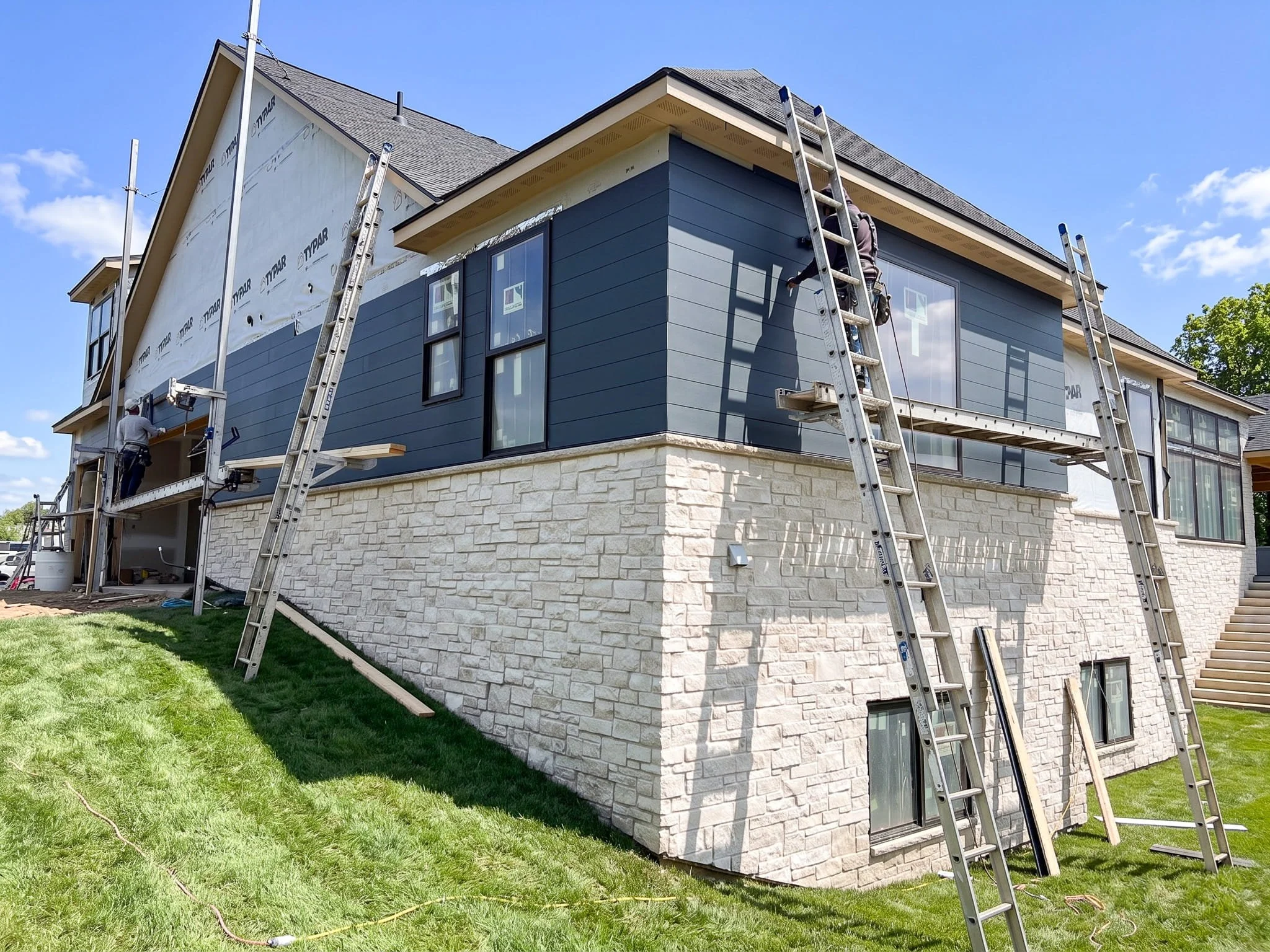
Nothing matches the warmth and character of natural wood siding. Popular options include cedar, redwood, engineered wood, and LP SmartSide — a treated engineered wood product that dramatically outperforms traditional wood.
Traditional wood is beautiful but vulnerable. Left untreated, it's susceptible to rot, termites, woodpecker damage, and moisture intrusion — especially in wet climates. It also requires regular painting or staining and is NOT maintenance-free. Natural cedar and redwood have some built-in resistance to insects and rot, and are stunning, but they require regular upkeep.
LP SmartSide changes the equation. It's been treated to resist rot, moisture, and insects while still delivering the authentic wood look. LP backs it with a 50-year warranty, making it one of the best engineered wood products available. Costs vary depending on the species and level of treatment, so be sure to get a professional estimate based on your specific home.
The LP SmartSide myth - Many individuals are under the impression that LP Smart Siding is more cost effective than James Hardie siding. The truth is the material tends to cost more and the labor tends to cost less. After everything is taken into account they are usually about the same price. In my opinion James Hardie siding is a better option but LP SmartSide does have some very nice options. Both are great products.
Metal Siding — Modern Durability at Its Best
Metal siding has evolved far beyond the corrugated barn look of the past. Today's options — including aluminum, steel, Vesta, and Longboard— offer sleek, architectural aesthetics that complement modern and contemporary home designs.
Metal is virtually impervious to the threats that plague other siding types. It's fire-resistant, rot-resistant, termite-proof, and provides an excellent moisture barrier. It won't warp or crack, even in the most extreme weather conditions. With a lifespan of 50+ years and near-zero maintenance requirements, metal is the closest thing to a maintenance-free siding solution available.
The tradeoff? Metal siding carries the highest material and installation costs of any option on this list. However, paired with rigid foam insulation to eliminate thermal bridging, it delivers exceptional energy efficiency and long-term value that can offset the upfront investment over time.
Energy Efficiency: The Big Picture
Regardless of which siding you choose, energy efficiency deserves serious attention. Here's what to know:
R-value measures how well a material resists heat flow. The higher the number, the better the insulation. Insulated vinyl siding with foam backing delivers the most R-value improvement for the cost.
Thermal bridging occurs when heat flows through the wall studs, bypassing insulation. Adding continuous rigid foam insulation behind any siding type can significantly reduce this problem.
House wrap (Tyvek) is a moisture barrier and air barrier installed beneath siding. It prevents water infiltration while allowing moisture vapor to escape — a critical layer in any high-performance wall system.
Together, the right siding, insulation, and house wrap can meaningfully reduce energy bills and eliminate drafty rooms — making your home more comfortable year-round.
| Material | Cost Range | Lifespan |
|---|---|---|
| Insulated Vinyl | Most Affordable | 20–40 years |
| Fiber Cement (James Hardie) | Mid-Range | 50 years |
| Wood / LP SmartSide | Mid to High Range | 20–50 years |
| Aluminum | Mid-Range to Premium | 40+ years |
| Steel / Vesta / Longboard | Premium | 50+ years |
Which Siding Is Right for You?
Best budget pick: Insulated Vinyl — affordable, energy-efficient, low maintenance.
Best ROI pick: Fiber Cement (James Hardie) — durability, beauty, and long-term value.
Most durable pick: Steel / Vesta — virtually indestructible with a 50+ year lifespan.
Most beautiful pick: Cedar or James Hardie — unmatched natural wood aesthetics.
Best for modern homes: Longboard or Vesta — clean lines, contemporary style.
Final Thoughts
The best siding for your house depends on your budget, climate, architectural style, and how much maintenance you're willing to take on. What's universal? New siding is one of the highest-ROI investments you can make as a homeowner — improving curb appeal, energy efficiency, and resale value all at once.
Ready to explore your options? Contact Allied Siding & Roofing for a free consultation. We'll help you find the perfect siding solution for your home and your budget.
Allied Siding and Roofing is a local family-owned and operated roofing company specializing in James Hardie installation and other exterior needs such as roofing, decking, and porch extensions. We are a James Hardie Elite Preferred company which means we have extensive experience and education in installation and choosing the right products for our customers. If you’re located in the Metro Detroit Area, contact us at (248) 814-2852 or visit our website https://www.buildwithallied.com for more information on how we can collaborate on your dream home!