
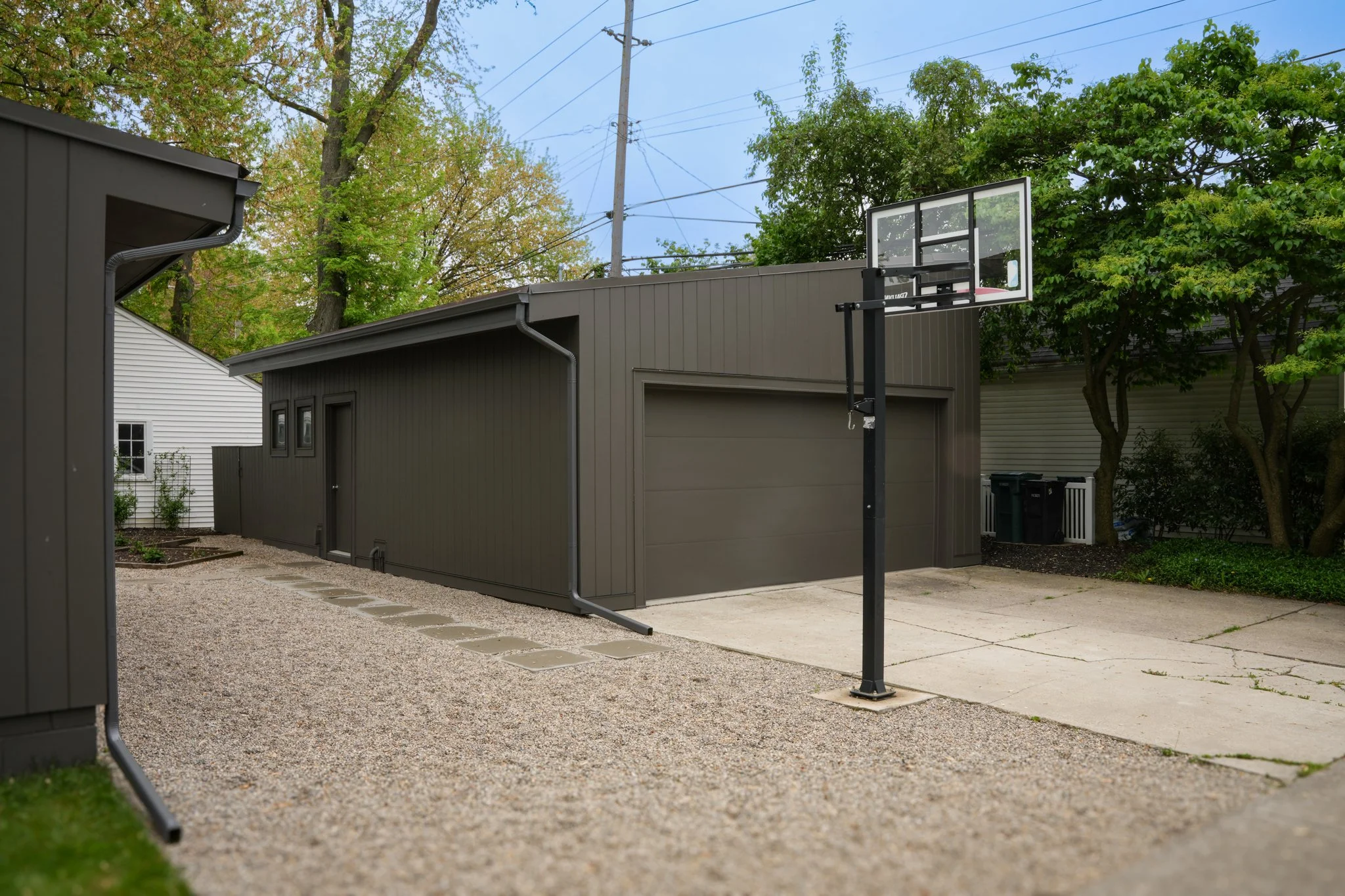
James Hardie ColorPlus vs Primed: Which Should You Buy
If you search for "James Hardie ColorPlus vs. Primed" online, you will find a dozen articles telling you the same thing: "ColorPlus is great because it has a factory finish! Primed is great because you can choose your color!"
That is the marketing answer. It’s simple, it’s clean, and it’s often wrong.
As professional installers here at Allied Siding and Roofing, we don't just sell siding; we have to live with the results. We’ve seen beautiful Essential, Statement, and ColorPlus jobs ruined by bad nailing patterns, and we’ve seen Primed jobs outlast factory finishes because they were executed correctly.
The truth is, the decision to buy pre-painted (Essential, Statement, and ColorPlus) or site-painted (Primed) isn't about preference. It’s about the profile you are installing.
What works for a standard Lap siding can be a disaster for Board and Batten or the Artisan line. In this guide, we are going to pull back the curtain on how these products are actually installed—nails, caulk, and all—so you can make the decision that 2026 homeowners actually need to make.
The Golden Rule: It’s All About the Nail Heads
Before we look at the specific products, you need to understand one concept: Blind Nailing vs. Face Nailing.
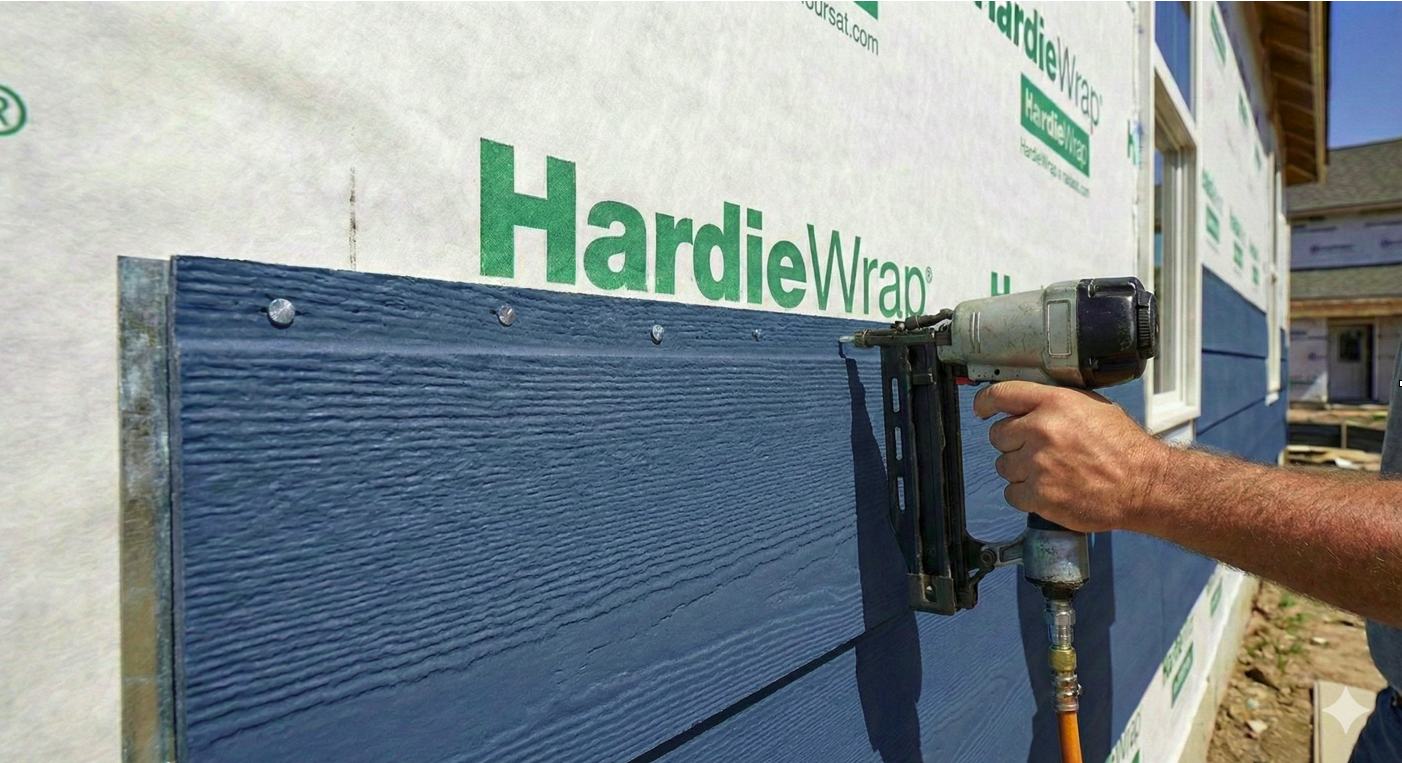
Blind Nailing: The nail is driven into the top of the board, and the next board covers it up. You see zero nails.
Face Nailing: The nail is driven through the front of the board. You see the nail head.
Why does this matter? If you buy ColorPlus (Pre-Painted) siding, you cannot sand or patch a face nail without ruining the factory finish. You have to dab it with a touch-up pen. Over 5-7 years, that dab of touch-up paint will fade at a different rate than the board, leaving your house looking like it has "leopard spots."
If you buy Primed (Site-Painted) siding, we can caulk the nail hole, sand it smooth, and paint over the whole thing. The nail disappears forever.
Keep this in mind as we break down the products.
1. HardiePlank® Lap Siding: The Easy Winner for ColorPlus
This is the standard horizontal siding you see on 80% of homes.
The Verdict: BUY PRE-PAINTED (ColorPlus)
The Installer’s "Why": HardiePlank Lap siding is designed to be blind nailed. We shoot the nail into the top 1-inch of the plank, and the plank above it overlaps that area. This means an entire wall can be installed with almost zero exposed fasteners (except for a few pin nails at the corners).
Because there are no nail heads to hide, the factory finish is perfect here. You get the 15-year warranty, the baked-on durability, and a flawless look. Unless you need a custom color that Hardie doesn't make, stick with ColorPlus for Lap siding.
2. Panel and Channel (HardiePanel®): The Trap for the Uninformed
The "Modern" look is huge right now. This is achieved using 4x8 or 4x10 sheets of HardiePanel, covered by vertical Tamlyn Trim around the edges.
The Verdict: BUY PRIMED (Usually)
The Installer’s "Why": This is where the marketing brochures don’t show you everything. They show you a perfect white farmhouse with no blemishes.
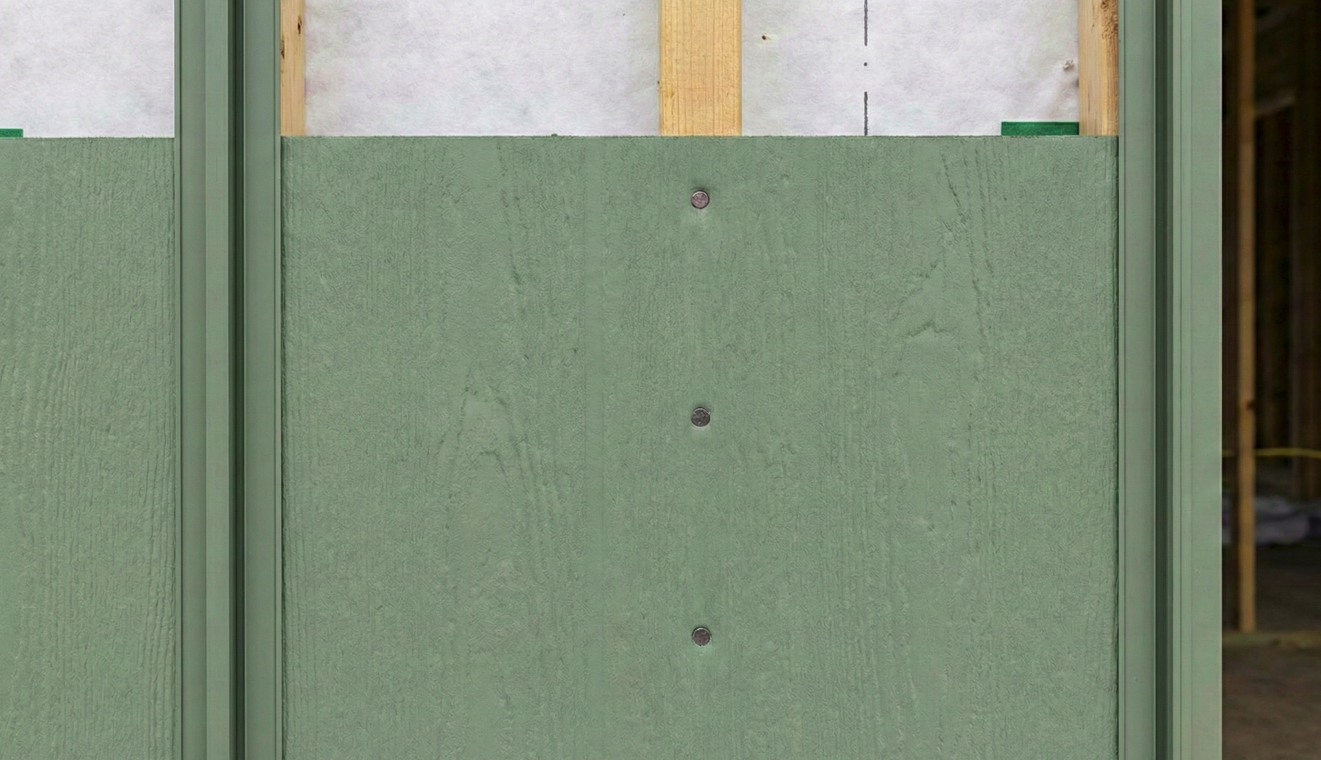
Here is the reality of the install: HardiePanels must be nailed to the studs. They will have exposed field nails.
Even if you are using Board and Batten, if your design doesn't match your studs? You may want a 12-inch spacing between battens, but your wall studs are 16 inches apart, the math doesn't work. We will have to drive nails into the "field" (the middle) of the panel to hold it up.
If you bought ColorPlus panels, you now have visible nail heads floating in the middle of your wall. We have to touch them up with paint, and they will be visible.
If you buy Primed panels, we can drive those nails wherever they need to go for structural safety. Then, our painters come in, fill the holes, sand them flat, and spray the entire wall. The result? A seamless, monolithic look with zero visible fasteners. Over time the nail heads may reveal themselves but it still looks more natural than the pre-painted finish.
Pro-Tip: If you are dead-set on ColorPlus Board and Batten, you must work with your installer to ensure the batten layout matches the framing layout exactly. If they don't know what you're talking about, hire someone else. Contact Allied Siding and Roofing in the Southeast MI area.
3. Sierra 8 Panels: The "Hidden" Fastener Headache
Sierra 8 is a beautiful vertical siding that looks like solid wood grooves. It adds massive texture and is very popular for modern homes.
The Verdict: BUY PRIMED
The Installer’s "Why": Sierra 8 is a panel, meaning it follows the same rules as above, but with a twist. Because of the grooves, you cannot hide fasteners as easily. The installation guide requires specific edge nailing.
If you use ColorPlus Sierra 8, you are going to see the fastener heads on the edges of the panels where they meet. Even with color-matched nails, they cast a tiny shadow. Furthermore, cutting Sierra 8 panels creates exposed edges that need to be sealed.
When we install Primed Sierra 8, we can caulk the vertical seams where panels meet (if designed that way) or properly patch the fasteners, creating a uniform, solid wall that looks like expensive timber rather than a "product."
In fact James Hardie stopped selling the pre painted product, because it didn’t make much sense.
You have to paint it in the field because there is no way to cover the nail heads.
The paint was inconsistent with their process.
4. The Artisan® Collection: The High-End Beast
The Artisan line (V-Groove, Shiplap, Square Channel) is the Rolls Royce of fiber cement. It is 5/8" thick (twice as thick as normal Hardie) and creates deep, gorgeous shadow lines.
The Verdict: PRIMED ONLY (And be careful who you hire)
The Installer’s "Why": The Artisan line uses a unique "Lock Joint" system. It allows for blind nailing, which is great, but the precision required is extreme.
The Caulking Detail Most Contractors Miss: If you read the deep-dive Artisan install guide, the caulking specs are strict.
Do NOT caulk the "V" grooves or the shiplap gaps—these are designed to drain water. If an inexperienced painter caulks these shut, water gets trapped behind the siding, and you will have rot.
DO caulk the vertical trim transitions where the siding butts into the corner boards, but only if you leave the required 1/8" gap.
Because the Artisan line is so thick, the cuts are difficult. You want these joints to be seamless. Site-painting Artisan siding allows us to use high-grade flexible sealants at the butt joints (if applicable) and spray the finish so the siding looks like it was carved out of a single block of material.
ColorPlus Artisan is available in some markets, but the beauty of Artisan is the joinery. You want that joinery to disappear (or stand out) exactly how you want it, which is best achieved with a sprayer on-site.
5. HardieTrim® and Fascia: The 2026 Aesthetic
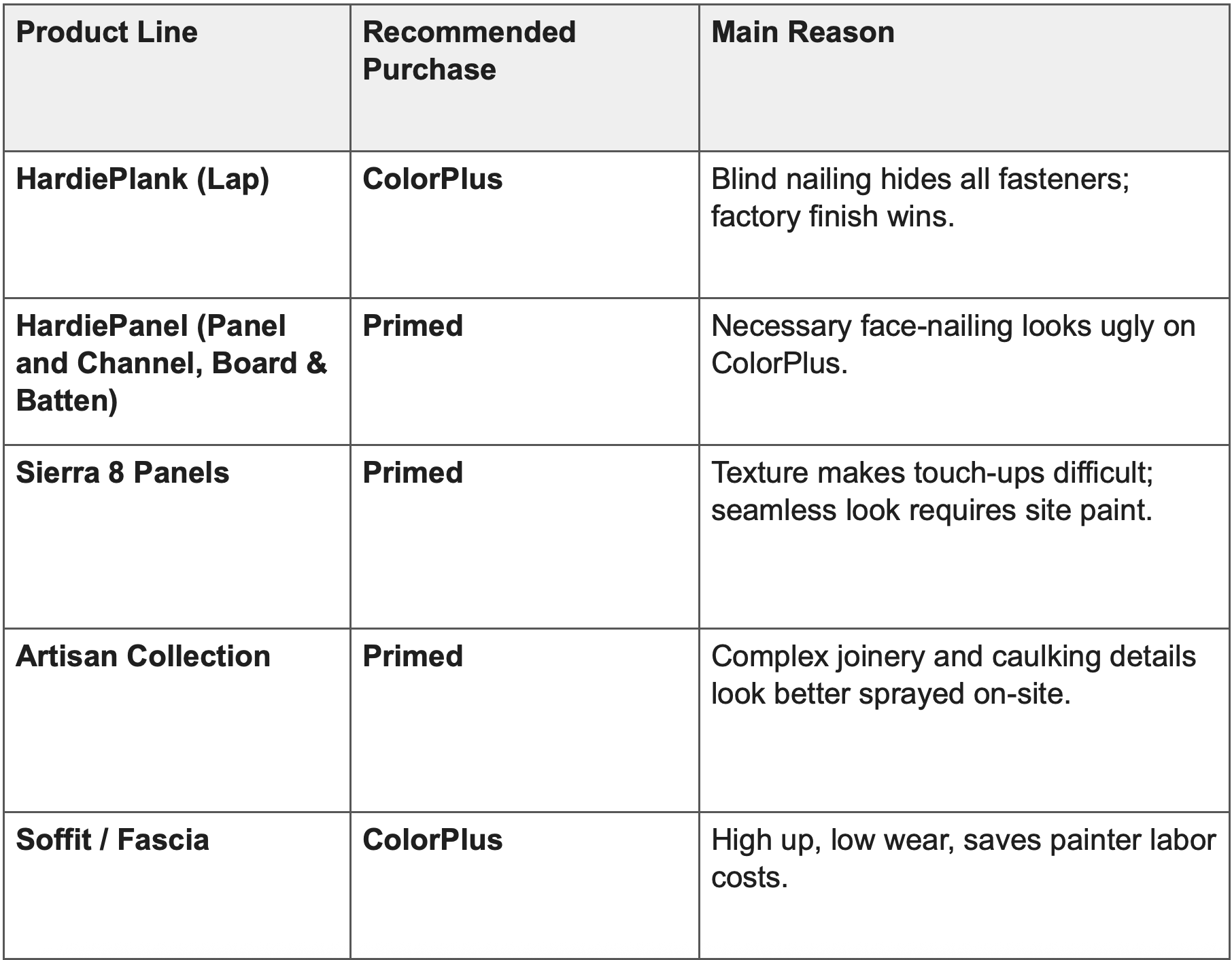
The Verdict: MIX AND MATCH
This is a trick we use often.
Soffits & Fascia: Buy Statement or ColorPlus. These areas are high up, hard to reach, and don't get much direct sunlight or physical wear. The factory finish will last forever up there, and you save on the labor cost of having a painter on a 30-foot ladder.
Window Trim & Corners: Buying Pre-painted or Primed will depend on the texture and the color of the product. Smooth will always need to be painted again with a top coat, textured will require paint but often time a little touch up is sufficient.
A Note on "The Leoparding Effect"
We mentioned this earlier, but it deserves its own section.
James Hardie provides "ColorPlus Touch-Up Kits." 2 These are vital for sealing cut edges. However, many installers use them to paint over nail heads on the face of the board.
Do not let them do this.
The paint in the bottle cures by air drying. The paint on the board was cured by baking. UV light affects them differently. In 3 years, your siding will look fine, but every nail head will have turned a slightly lighter shade, leaving your house looking like a leopard.
This is why, for any product requiring face nailing (Panels, Sierra 8), we always recommend Primed material painted with high-quality 100% acrylic latex paint (like Sherwin Williams Duration or Emerald).
One More Piece of Important Information
If you choose to use smooth James Hardie siding you will want to plan on a top coat. This doesn’t always happen, but it does enough that we price this into the job. We are not sure if this is a factory finish issue, or a transportation issue but they come up fairly scuffed. A very thin coat is sufficient and the best way to do this is a spray coat.
Conclusion: Knowledge is Power
James Hardie makes the best fiber cement product on the market. We stand by it. But it is not a "magic wand." It is a building material that requires a strategy.
If you are looking for a contractor who understands the difference between a Lock Joint and a Lap Joint, and who knows why you never caulk a shiplap reveal, we’d love to help you.
Allied Siding and Roofing - The Siding Experts in Southeast Michigan
Looking for other trusted trades? Check out our partners:
Allied Siding and Roofing is a local family-owned and operated roofing company specializing in James Hardie installation and other exterior needs such as roofing, decking, and porch extensions. We are a James Hardie Elite Preferred company which means we have extensive experience and education in installation and choosing the right products for our customers. If you’re located in the Metro Detroit Area, contact us at (248) 814-2852 or visit our website https://www.buildwithallied.com/ for more information on how we can collaborate on your dream home!